Waterloo Region September 2026 Statistics
“Buyers and sellers in Waterloo Region continued to take a cautious approach in September, with sales down 18.9% year-over-year and new listings falling 16.7% over the same period,” said Bill Duce, CEO of Cornerstone. “Even with less activity, Waterloo Region had the tightest supply at 3.8 months, suggesting the market remains relatively balanced, with modest price declines despite the slowdown. Buyers and sellers will benefit from a local REALTOR® on their side who can speak to activity and trends in their local neighbourhood.”
Waterloo Region Area Highlights:
- Waterloo Region home sales decreased 14.2% month-over-month. The number of newly listed properties increased by 38.4% on a month-over-month basis.
- In Kitchener-Waterloo, the MLS® Home Price Index (HPI) was $630,200 in September 2026, up 0.3% month-over-month and down 5.6% year-over-year.
- In Cambridge, the HPI was $662,700, down 0.6% month-over-month and down 4.1% year-over-year.
- The supply of inventory across the market decreased by 12.8% on a year-over-year basis, and there was a 3.8-month supply of all property types by the end of September, which was 5.0% lower than in September 2025.
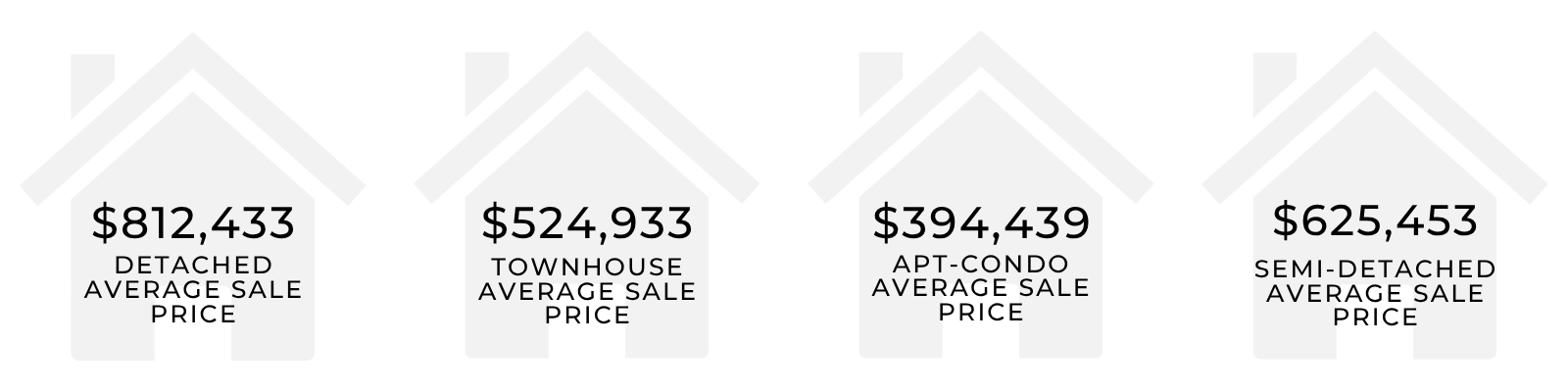
Source: Cornerstone Association of REALTORS®
The statistics provided in this release are based on information from the ITSO MLS® System. Multiple MLS® Systems operate within Ontario, and while none can be guaranteed to include every property listed or sold within a given area, they effectively illustrate market trends.
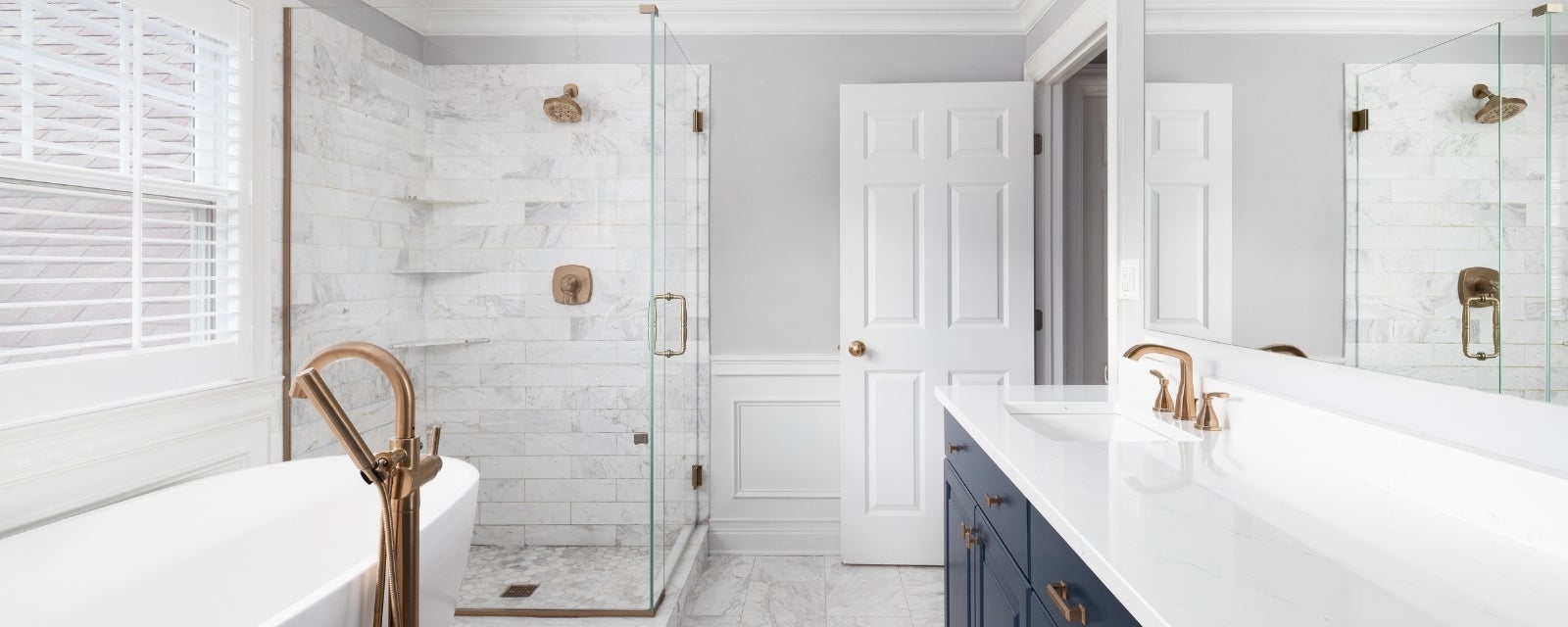
How to Prioritize Updates When Buying a Home
Buying a home can be exciting, but it often comes with a long list of potential updates and renovations that can feel overwhelming to many home buyers. Whether you're moving into a fixer-upper or a newer property that just needs a few personal touches, prioritizing your updates will help you manage your budget, time, and overall satisfaction with your new home. Here's a guide to evaluating and prioritizing those updates.
- Electrical or plumbing fixes
- Heating and cooling systems
- Landscaping improvements
- Kitchen updates like a new backsplash, countertop, or appliances
Assess Your Needs vs. Wants
Before you begin making updates, take stock of your current living situation. What aspects of your new home do you absolutely need to change, and what would be nice to have? Start by creating two separate lists: one for essential updates and another for optional changes.Essential updates might include:
- Repairs to the roof, windows, or foundation- Electrical or plumbing fixes
- Heating and cooling systems
Optional updates might include:
- Painting walls or updating flooring- Landscaping improvements
- Kitchen updates like a new backsplash, countertop, or appliances
Evaluate Safety and Functionality
When prioritizing updates, put safety and functionality first. If any issues could endanger your health or safety—such as a leaky roof, outdated electrical wiring, or rotting deck boards—make them your top priority. Addressing these issues not only ensures a safe living environment but can also help you avoid bigger problems down the road.Set a Realistic Budget
Determine how much money you can allocate for updates. This will help you create a feasible plan and scope for your renovations. Be sure to consider both material and labour costs if you’re not doing the work yourself. Once you have a budget, you can categorize your updates into “must-haves” and “nice-to-haves” based on what you can afford.Consider the Return on Investment (ROI)
If you plan to sell your home in the future, some updates can significantly increase your property’s value. Research the most common updates that yield a good return on investment. For example, kitchen and bathroom remodels often provide substantial returns. Prioritize these updates if they fit your budget and long-term plans.Take Your Lifestyle into Account
Your lifestyle should also influence your priorities. If you entertain often, investing in an updated kitchen or a spacious outdoor area may be a higher priority. Alternatively, if you work from home, creating an efficient, comfortable home office space may take precedence.Break It Down into Phases
When you have a long list of updates, breaking the process into phases can help. Complete the most critical updates first, then move on to cosmetic changes. This will help you manage both your time and finances more effectively. Consider developing a timeline for when you would like to complete each phase. For example, you might plan to tackle structural updates in the first six months and save cosmetic changes for the second year.Seek Professional Advice
Finally, don’t hesitate to consult with professionals such as contractors, interior designers, or your real estate agent. Their expertise can offer valuable insights and help you make informed decisions about which updates will deliver the best results for your budget and lifestyle.Conclusion
By systematically assessing your needs, establishing a budget, and prioritizing updates, you can transform your new home into a space that meets your needs without becoming a financial burden. Take your time; updating your home is a journey, not a race. With patience and planning, you can create an environment that reflects your personal style and improves your quality of life.